




The world is in the middle of a smart technology revolution—one that is rapidly transforming how we live, work, and interact. From artificial intelligence to connected devices, modern gadgets are becoming more intuitive, efficient, and deeply embedded in our everyday lives. As innovation continues to accelerate, the future is not just approaching—it’s already here.
The Rise of AI-Driven Devices
Artificial intelligence (AI) is at the heart of today’s smart tech evolution. Modern devices are no longer just tools; they are learning systems that adapt to user behavior. Smartphones can now predict your needs, suggest replies to messages, and optimize performance based on usage patterns.
AI is also powering virtual assistants that can manage schedules, control smart homes, and even hold natural conversations. These assistants are becoming more context-aware, making interactions smoother and more human-like. As AI continues to improve, gadgets will become even more personalized, anticipating needs before users even express them.
Smart Homes Becoming the Norm
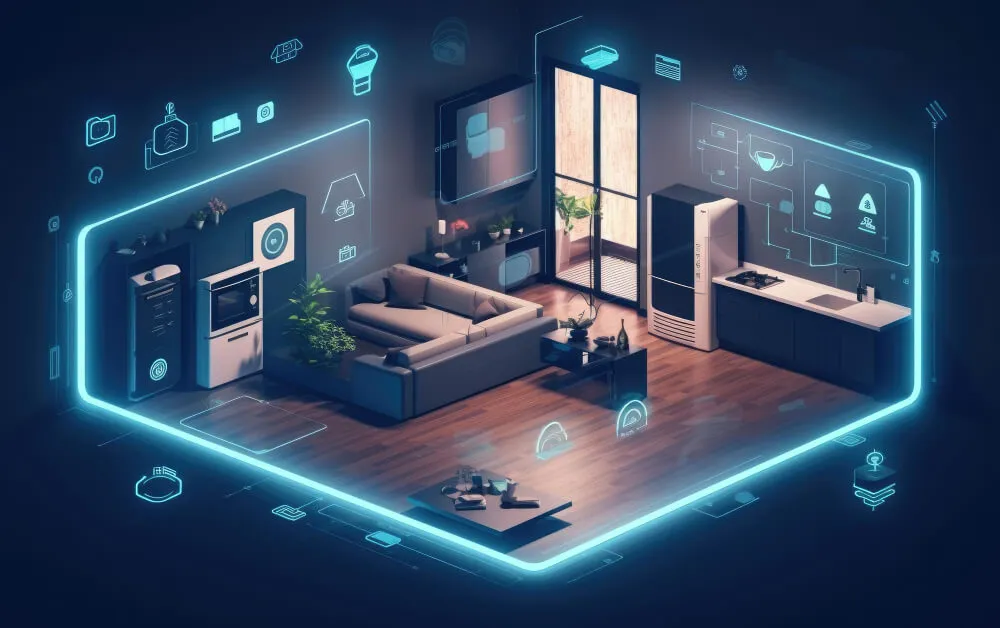
Smart homes are quickly shifting from luxury to necessity. Devices like smart thermostats, lighting systems, and security cameras are now widely accessible and easy to use. With a single app or voice command, users can control multiple aspects of their home environment.
One of the biggest advantages of smart homes is automation. Lights can turn on when you enter a room, temperatures adjust based on your preferences, and security systems monitor your home in real time. These features not only enhance convenience but also improve energy efficiency and safety.
Integration is another key trend. Different devices are now designed to work together seamlessly, creating a unified ecosystem. This interconnectedness is what truly defines the smart home experience.
Wearables and the Health Tech Boom
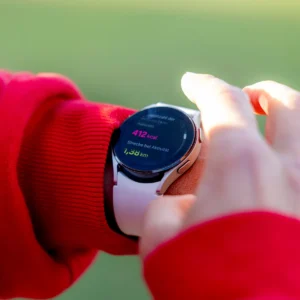
Wearable technology is experiencing rapid growth, especially in the health and wellness sector. Smartwatches and fitness trackers now offer advanced features such as heart rate monitoring, sleep analysis, and blood oxygen tracking.
More importantly, these devices are shifting healthcare from reactive to proactive. Users can monitor their health in real time and make informed decisions about their lifestyle. Some wearables even provide alerts for potential health risks, enabling early intervention.
As technology advances, we can expect wearables to become even more sophisticated—potentially integrating with medical systems and offering deeper insights into personal health.
The Internet of Things (IoT) is connecting more devices than ever before. From kitchen appliances to cars, everyday objects are becoming “smart” and capable of communicating with each other.
This connectivity allows for greater efficiency and automation. For example, a smart refrigerator can notify you when groceries are running low, while a connected car can provide real-time navigation updates and diagnostics.
IoT is also playing a significant role in industries such as healthcare, agriculture, and manufacturing, improving productivity and reducing costs. As networks become faster and more reliable, the IoT ecosystem will continue to expand.
Next-Gen Connectivity: Faster and Smarter
The rollout of faster internet technologies is enabling the smart tech revolution to thrive. High-speed connectivity ensures that devices can communicate instantly, making real-time data processing possible.
This is particularly important for technologies like autonomous vehicles, remote healthcare, and smart cities. Reliable connectivity allows systems to function smoothly and respond quickly to changing conditions.
As connectivity improves, the gap between digital and physical experiences will continue to shrink, creating a more seamless and integrated world.
Sustainable and Eco-Friendly Innovation
Sustainability is becoming a major focus in the tech industry. Companies are designing gadgets that consume less energy, use recycled materials, and have longer lifespans.
Smart technology is also helping users reduce their environmental footprint. Energy-efficient appliances, smart thermostats, and automated lighting systems contribute to lower energy consumption.
This shift toward eco-friendly innovation reflects a growing awareness of environmental challenges and the need for responsible technological development.
Challenges in the Smart Tech Era
While the benefits of smart technology are undeniable, there are also challenges to consider. Privacy and data security remain top concerns, as connected devices collect large amounts of personal information.
There is also the issue of digital dependency. As gadgets become more integrated into daily life, users may become overly reliant on technology. Maintaining a balance between convenience and mindful usage is essential.
Additionally, the rapid pace of innovation can make it difficult for consumers to keep up, leading to frequent upgrades and increased electronic waste.
Looking Ahead
The smart tech revolution is still in its early stages, and the possibilities are endless. Emerging technologies such as augmented reality, smart wearables, and AI-powered automation will continue to shape the future.
What makes this revolution truly exciting is its potential to enhance human life. By simplifying tasks, improving health, and increasing efficiency, smart gadgets are allowing people to focus on creativity, relationships, and personal growth.
As we move forward, one thing is clear: smart technology is not just changing the world—it’s redefining how we experience it.